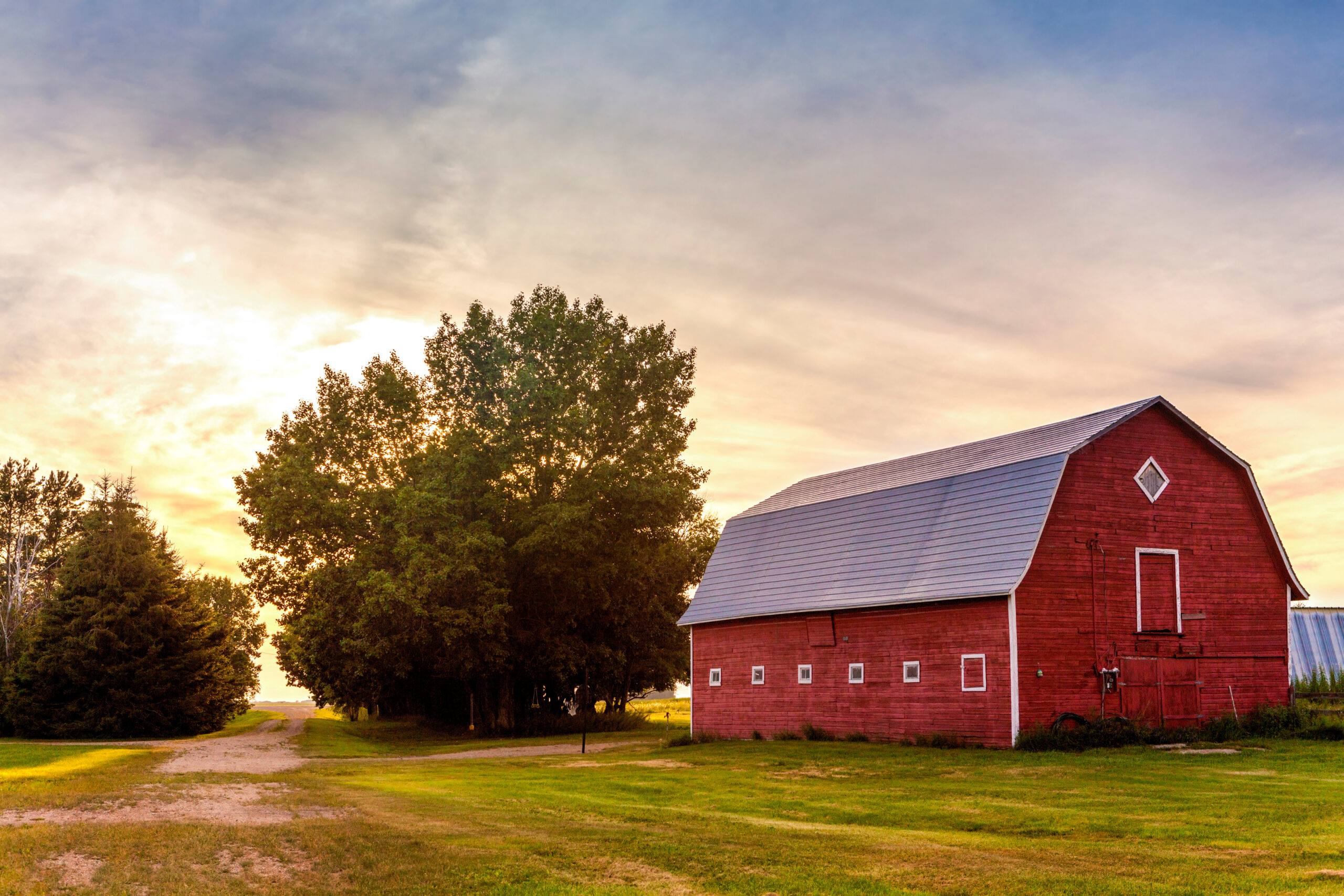
If you were, indeed, raised in a barn, chances are special inspections required by code occurred during construction phases of the barn or before the risk category changed from Category I to Category II (when people populate the building) or more. However, farm buildings throughout the Mid-Atlantic region of the U.S. are generally exempt from special inspections required by the IBC code, the Virginia Construction Code (VCC), and most other statewide codes. You may read the exact code language and rationale in the IBC Table 1604.5 text at the end of this article.
When certain public safety issues are at risk, benefits and exceptions for farm buildings are disregarded. To be eligible for exception, a barn must:
- Be used solely for agricultural purposes (equipment storage, housing of animals)
- Be located on a working farm
- Not be used for public assembly, commercial use, or a residential dwelling
Other considerations:
- If it is used for agritourism or is open to the public (e.g., wedding venues), it may not meet the exemptions and be subject to special inspections during construction phases
- If spans or trusses greater than 60’ in length exist, trusses require special inspections
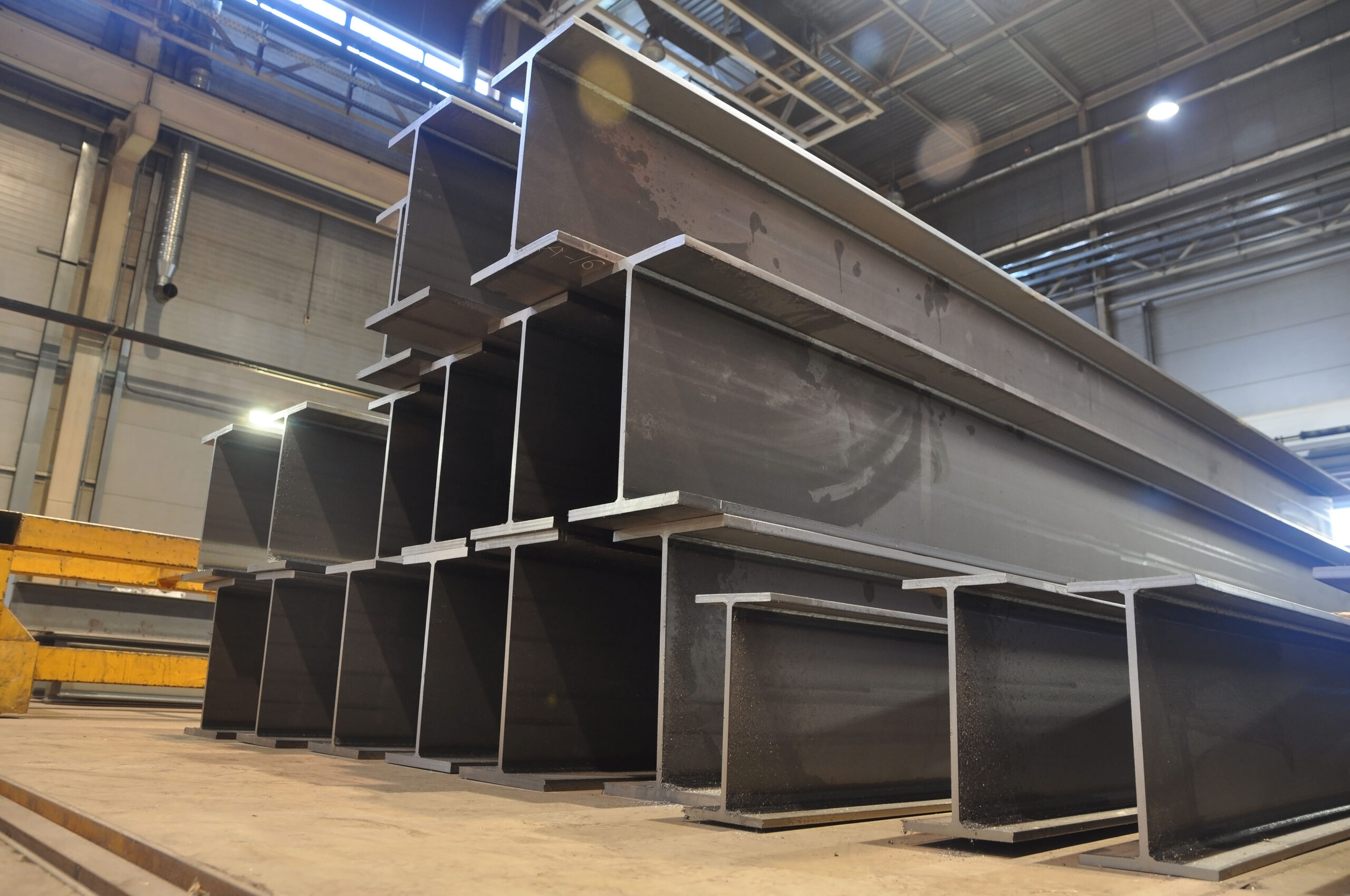
- Welding will require special inspections to verify compliance with the welding code
- If it is located in a designated flood plain, it is not exempt from flood plain regulations
- Soils and foundations for large agricultural buildings must be designed by an approved geotechnical registered design professional engineer
_____
IBC Code 2021, Table 1604.5 – Risk Category I Buildings and other structures that represent a low hazard to human life in the event of failure, including, but not limited to:
- Agricultural Facilities
- Certain Temporary Structures
- Minor Storage Facilities
Risk category I buildings exhibit the lowest hazard to life since they have few or no human occupants or are temporary, thus creating considerably less exposure to the hazards of earthquakes, floods, snow, and wind than that of a permanent structure.
_____
For more information or further enthusiastic discourse on topics of CODE, please contact Alan Tuck at: [email protected] or 540.344.7939.