
Understanding which specific International Building Code (IBC) edition to use can be confusing due to overlapping timelines, state-specific amendments, and differences between national model codes and local regulations. In Virginia, for instance, while the Virginia Construction Code (VCC) dictates that projects follow the 2021 IBC, confusion arises for several key reasons:
- State Amendments and References: The VCC is not a standalone book; it incorporates the national 2021 IBC by reference but heavily layers on “state amendments” and code compliance criteria. A designer or contractor referencing an unedited national IBC or an outdated VCC will miss critical state-specific requirements.
- Overlapping Grace Periods: When new code editions are adopted, the Commonwealth typically institutes a mandatory overlap period. For example, when the 2021 VCC originally took effect, architects and builders had a one-year window (grace period) where they could legally choose to use either the 2018 or 2021 code. This overlap naturally leads to confusion about which edition is currently in effect.
- Different Cycles for Specialized Codes: People often conflate the VCC (which uses the 2021 IBC base) with other specialized trade codes updated on different timelines. For instance, Virginia projects may use different edition years for different model codes, like plumbing or electrical standards (e.g., using the 2023 NEC).
- Referenced Standards Get Independent Updates: The IBC references other model codes and independent industry standards that get updated at their own pace. For example, the 2021 VCC requires the use of the ASCE 7-22 standard for structural design loads rather than an older version. (VCC adopts ASCE 7-22 while IBC 2021 adopts ASCE 7-16)
The Statewide Building Code takes precedence over the IBC code in Virginia when the two codes conflict, and most other states that have a Statewide Building Code follow the same policy. The effective date of the 2021 VCC is January 18, 2024. The effective date of the current 2018 North Carolina State Building code is January 1, 2019, and North Carolina has a six-month grace period. The effective date of the 2021 Maryland Performance Standards is May 29, 2023, and has a one-year grace period.
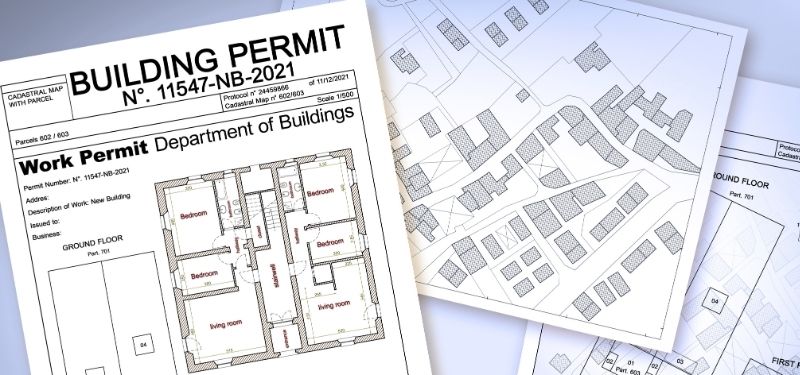
The legally binding edition of the IBC code is exclusively dictated by the Authority Having Jurisdiction (AHJ), such as the specific city, county, or state government, via local laws and code amendments. The date that the application for the project building permit is submitted to the local building department determines which edition of the IBC code is enforced on the project. The date of the architectural and/or PE stamps reflected in the contract documents does not impact which edition of the IBC code is used on the project.
________
VCC Section 103.2 When applicable to construction. Construction for which a permit application is submitted to the local building department on or after the effective date of the 2021 edition of the code shall comply with the provisions of this code, except for permit applications submitted during a 1-year period beginning on the effective date of the 2021 edition of the code. The applicant for a permit during such 1-year period shall be permitted to choose whether to comply with the provisions of this code or the provisions of the edition of the code in effect immediately prior to the 2021 edition…
________
For more information or further enthusiastic discourse on topics of CODE, please contact Alan Tuck at: [email protected] or 540.344.7939.