
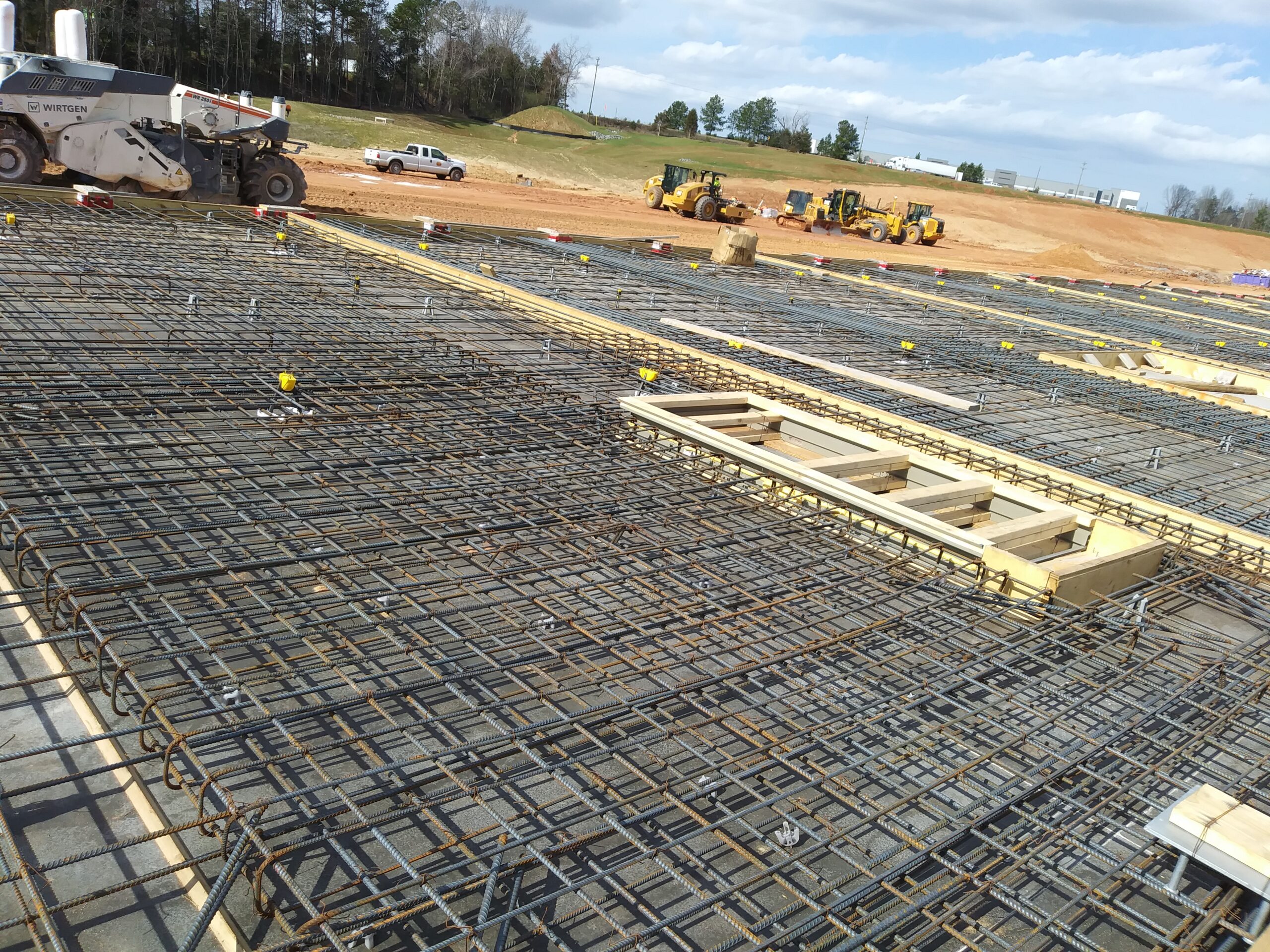
The project special inspector makes his periodic job-site visit to inspect the concrete reinforcing steel being placed on that particular Wednesday (remember this day). The special inspector discovers a few instances of non-compliant rebar measurements and tolerances per ACI 117. The contractor is notified immediately and corrects the locations of the rebar that were outside of the standard ACI 117 tolerances. The special inspector completes the site visit, notes compliance with the building code and contract documents, and lists no discrepancies for the day. Before the week is over, the owner is reportedly unhappy with the special inspector because incorrectly sized rebar was placed in a couple of locations on Monday of the same week and it was not reported by the inspector. The special inspector, of course, made no site visits on Monday. The owners were unhappy because they thought the rebar inspection should be continuous. This type of scenario happens all of the time.
Does the building code require continuous or periodic rebar inspections during project construction? The answer is BOTH. While the International Building Code (IBC) and ACI 318 (concrete code) generally require periodic inspection for typical rebar placement, ACI 318-19 explicitly mandates continuous inspection for specific, high-risk structural conditions in Section 26.13.3.2 (and corresponding IBC Table 1705.3 provisions; see below).
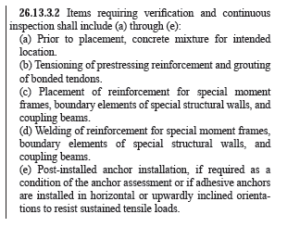
Special attention should be given to the single vertical line that is denoted in the margin of Section 26.13.3.2 of ACI 318-19, which is the concrete building code. This vertical line denotes a technical change or revision from the previous edition of this particular code.
IBC Chapter 17, Table 1705.3
Required Special Inspections of Concrete Construction
- Inspect reinforcement, verify placement (periodic)
- Reinforcing Bar Welding
- Verify weldability of reinforcing bars other than ASTM A706 (periodic)
- Inspect single-pass fillet welds, maximum 3/16 inch (p)
- Inspect all other welds (continuous)
For more information or further enthusiastic discourse on topics of CODE, please contact Alan Tuck at atuck@fandr.com or 540.344.7939.